
Cancer is a leading cause of death for children and adolescents. The likelihood of surviving a diagnosis of childhood cancer depends on the country in which the child lives; in high-income countries, more than 80% of children with cancer are cured, but in many LMICs less than 30% are cured.
Although childhood cancer cannot generally be prevented or identified through screening, most types of childhood cancer can be cured with generic medicines and other forms of treatment, including surgery and radiotherapy.
The reasons for lower survival rates in LMICs include delay in diagnosis, an inability to obtain an accurate diagnosis, inaccessible therapy, abandonment of treatment, death from toxicity (side effects) and avoidable relapse.
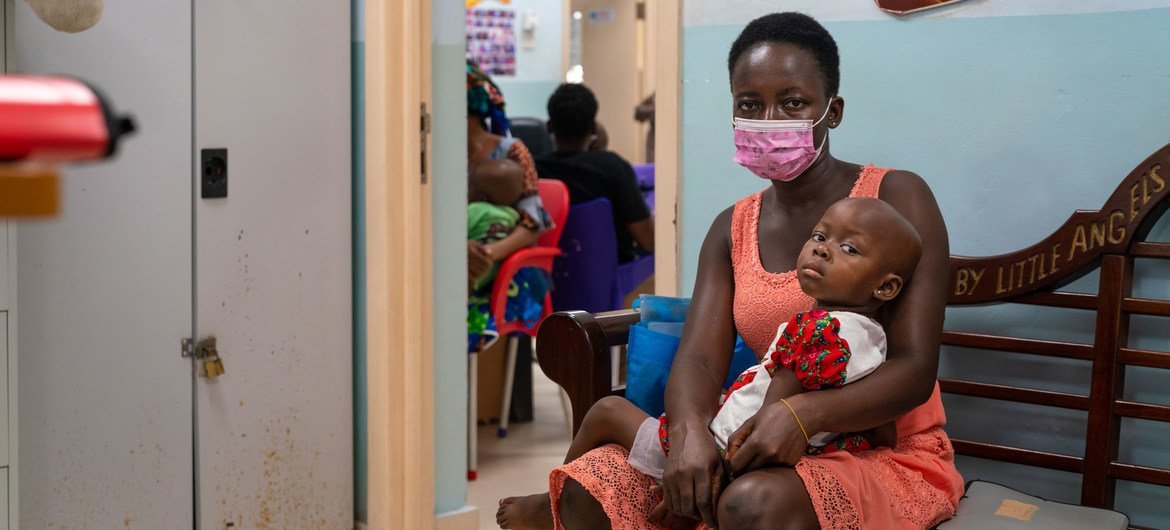
Of children with cancer are cured in high-income countries
Are cured in many low- and middle-income countries
Of children with cancer have a genetic predisposition
Leading cause of death for children and adolescents
Cancer occurs in people of all ages and can affect any part of the body. It begins with genetic change in single cells, that can then grow into a mass (or tumour), invade other parts of the body and cause harm and death if left untreated.
Unlike cancer in adults, most childhood cancers do not have a known cause. Current data suggest that approximately 10% of all children with cancer have a predisposition because of genetic factors. Further research is needed to identify factors impacting cancer development in children.
Cancer prevention efforts in children should focus on behaviours that will prevent the child from developing preventable cancer as an adult.
These are particularly relevant in low- and middle-income countries. Other infections can increase a child's risk of developing cancer as an adult, so it is important to be vaccinated (against hepatitis B to help prevent liver cancer and against human papillomavirus to help prevent cervical cancer).
Because it is generally not possible to prevent cancer in children, the most effective strategy to reduce the burden of cancer in children and improve outcomes is to focus on a prompt, correct diagnosis followed by effective, evidence-based therapy with tailored supportive care.
When identified early, cancer is more likely to respond to effective treatment and result in a greater probability of survival, less suffering, and often less expensive and less intensive treatment.
A correct diagnosis is essential to treat children with cancer because each cancer requires a specific treatment regimen that may include surgery, radiotherapy, and chemotherapy.
Access to effective diagnosis, essential medicines, pathology, blood products, radiation therapy, technology and psychosocial and supportive care are essential for improving outcomes.
Early diagnosis consists of 3 components:
of symptoms by families and primary care providers
accurate and timely clinical evaluation, diagnosis, and staging (determining the extent to which a cancer has spread)
access to prompt treatment
Early diagnosis is relevant in all settings and improves survival for many cancers. Programmes to promote early and correct diagnosis have been successfully implemented in countries of all income levels, often through the collaborative efforts of governments, civil society and nongovernmental organizations, with vital roles played by parent groups.
Removal of cancerous tissue. Often combined with other treatments depending on the type and extent of the disease.
Includes inexpensive generic medications included on the WHO List of essential medicines for children.
Uses high-energy rays to kill cancer cells. Access varies around the world.
Children need special attention to their physical and cognitive growth and nutritional status, requiring a dedicated, multi-disciplinary team.
Cure is possible for more than 80% of children with cancer when childhood cancer services are accessible. Children who complete treatment require ongoing care to monitor for cancer recurrence and to manage any possible long-term impact of treatment.
Palliative care relieves symptoms caused by cancer and improves the quality of life of patients and their families. Not all children with cancer can be cured, but relief of suffering is possible for everyone.
Paediatric palliative care is considered a core component of comprehensive care, starting when the disease is diagnosed and continuing throughout treatment and care, regardless of whether a child receives treatment with curative intent.
Palliative care programmes can be delivered through community and home-based care, providing pain relief and psychosocial support to patients and their families. Adequate access to oral morphine and other pain medicines should be provided for the treatment of moderate to severe cancer pain.
In some select cases, screening can be considered in high-risk populations. For example, some eye cancers in children can be caused by a mutation that is inherited, so if that mutation or disease is identified in the family of a child with retinoblastoma, genetic counselling can be offered and siblings monitored with regular eye examinations early in life. Genetic causes of childhood cancers are relevant in only a small proportion children with cancer. There is no high-quality evidence to support population-based screening programmes in children.