Hepatitis B is a viral infection that attacks the liver and can cause both acute and chronic disease. The virus is most commonly transmitted from mother to child during birth and delivery, in early childhood, as well as through contact with blood or other body fluids.
Hepatitis B is an infection of the liver caused by the hepatitis B virus. The infection can be acute (short and severe) or chronic (long term). Hepatitis B can cause a chronic infection and puts people at high risk of death from cirrhosis and liver cancer.
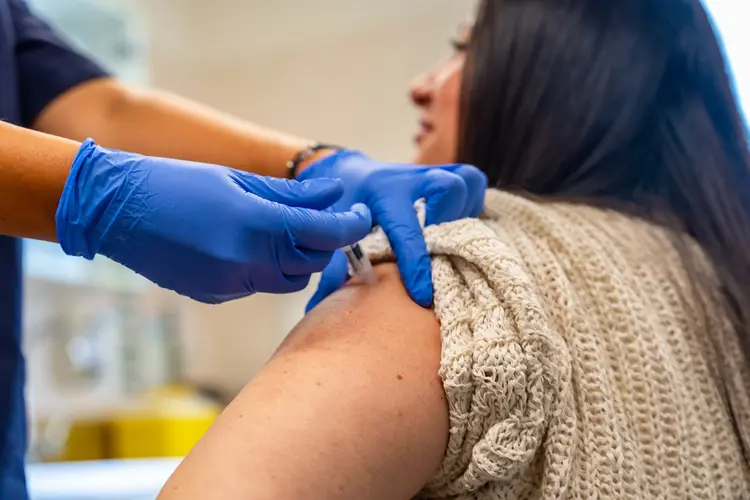
Hepatitis B can be prevented with a safe and effective vaccine. The vaccine is usually given soon after birth with boosters a few weeks later. It offers nearly 100% protection against the virus.

Of persons living with HBV infection (2.7 million people) are also infected with HIV
Global prevalence of HBV infection in HIV-infected persons
Of infants and young children infected develop chronic hepatitis
Vaccine offers nearly 100% protection against the virus
Most commonly spread from mother to child at birth (perinatal transmission) or through horizontal transmission during the first 5 years of life.
Spread by needlestick injury, tattooing, piercing, and exposure to infected blood and body fluids. Sharing or reuse of contaminated needles and syringes.
Through contact with infected body fluids like blood, saliva, vaginal fluids and semen. More prevalent in unvaccinated persons with multiple sexual partners.
Age Matters: Hepatitis B infection acquired in adulthood leads to chronic hepatitis in less than 5% of cases, whereas infection in infancy and early childhood leads to chronic hepatitis in about 95% of cases.
Most people do not experience any symptoms when newly infected.
Some people have acute illness with symptoms that last several weeks:
When severe, acute hepatitis can lead to liver failure, which can lead to death. Although most people will recover from acute illness, some people with chronic hepatitis B will develop progressive liver disease and complications like cirrhosis and hepatocellular carcinoma (liver cancer).

About 1% of persons living with HBV infection (2.7 million people) are also infected with HIV. Conversely, the global prevalence of HBV infection in HIV-infected persons is 7.4%.
Since 2015, WHO has recommended treatment for everyone diagnosed with HIV infection, regardless of the stage of disease. Tenofovir, which is included in the treatment combinations recommended as first-line therapy for HIV infection, is also active against HBV.
It is not possible on clinical grounds to differentiate hepatitis B from hepatitis caused by other viral agents; hence laboratory confirmation of the diagnosis is essential.
Several blood tests are available to diagnose and monitor people with hepatitis B. Some can distinguish acute and chronic infections, while others assess the severity of liver disease.
Physical examination, ultrasound and elastography can assess the degree of liver fibrosis and scarring and monitor progression of liver disease.
As of 2022, 13% of all people estimated to be living with hepatitis B were aware of their infection, while 3% (7 million) were on treatment.

There is no specific treatment for acute hepatitis B. Care should focus on managing symptoms, eating a healthy diet, and drinking plenty of liquids to prevent dehydration.
Chronic hepatitis B can be treated with oral medicines, including tenofovir or entecavir. Treatment can slow the advance of cirrhosis, reduce cases of liver cancer, and improve long-term survival.
Hepatitis B is preventable with a vaccine. All babies should receive the hepatitis B vaccine as soon as possible after birth (within 24 hours), followed by two or three doses at least four weeks apart.
Hepatitis B can be passed from mother to child. This can be prevented by taking antiviral medicines to prevent transmission, in addition to the vaccine shortly after birth.
To reduce the risk of getting or spreading hepatitis B:
Practice safe sex by using condoms
Avoid sharing needles or any equipment used for injecting drugs, piercing, or tattooing
Wash your hands thoroughly with soap and water after contact with blood, body fluids, or contaminated surfaces
Get a hepatitis B vaccine if working in a health-care setting