
Human papillomavirus (HPV) is a common sexually transmitted infection. Almost all sexually active people will be infected at some point in their lives, usually without symptoms.
HPV can affect the skin, genital area and throat. Condoms help prevent HPV but do not offer total protection because they do not cover all the genital skin.
HPV usually goes away on its own without treatment. Some HPV infections cause genital warts. Others can cause abnormal cells to develop, which go on to become cancer.

Of cervical cancers are caused by HPV
Years for cervical cancer to develop after HPV infection
Years in women with weakened immune systems
Most common cancer in women globally (cervical cancer)
Cancers from HPV can be prevented with vaccines. The vaccine does not contain any live virus or DNA from the virus so it cannot cause cancer or other HPV-related illnesses. The HPV vaccine is not used to treat HPV infections or diseases caused by HPV, but instead to prevent the development of cancers.
Currently, cervical cancer is the only HPV-caused cancer for which screening tests are available. Screening tests are used to check for disease when there are no symptoms. The goal of screening for cervical cancer is to find precancerous cell changes before they become cancer and when treatment can prevent cancer from developing.
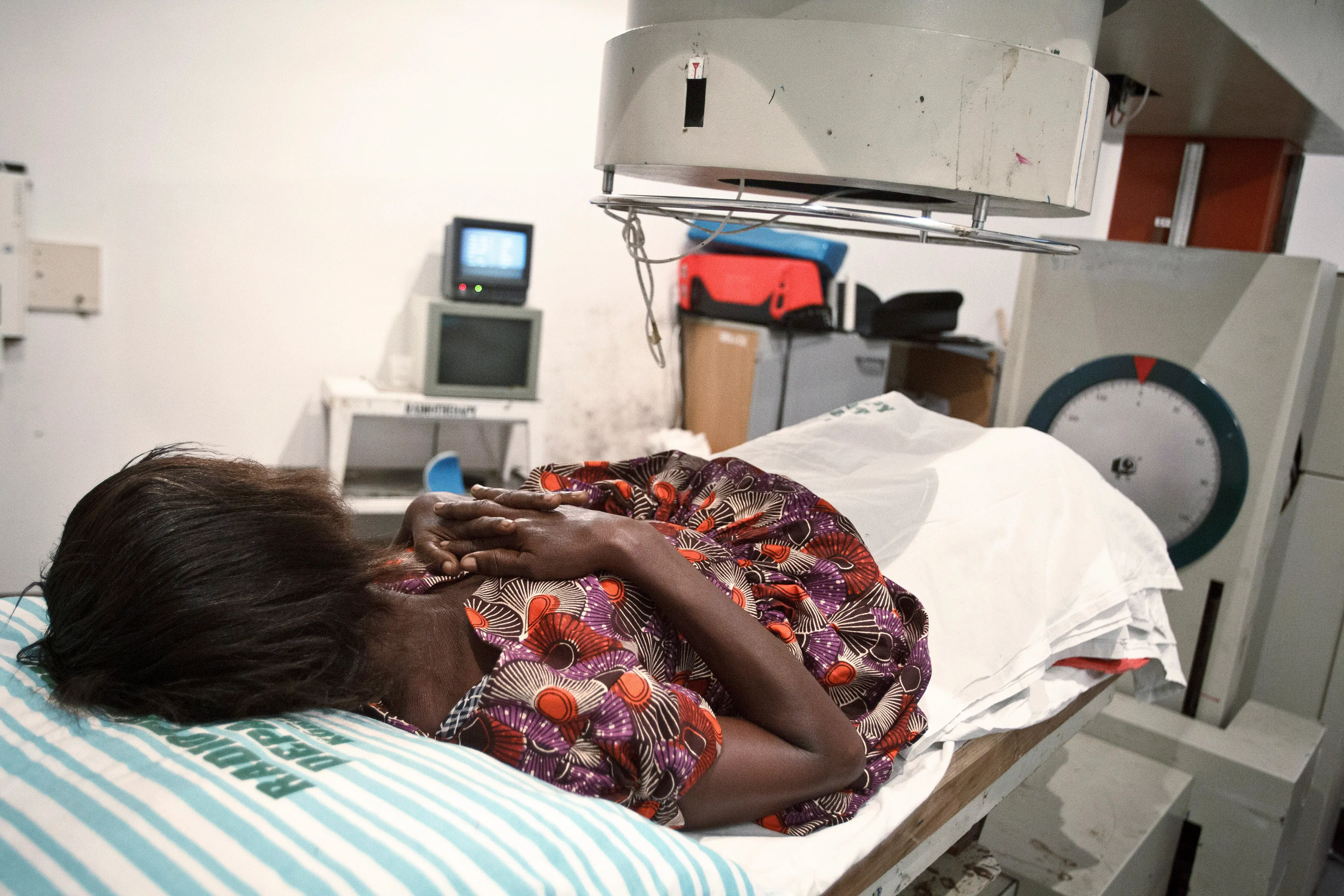
Evidence showed that prevalence of the virus is higher among:
The highest rates of cervical cancer incidence and mortality are in low- and middle-income countries. This reflects major inequities driven by lack of access to national HPV vaccination, cervical screening and treatment services, and social and economic determinants.
Most people will not have any symptoms from an HPV infection. The immune system usually clears HPV from the body within a year or two with no lasting effects.
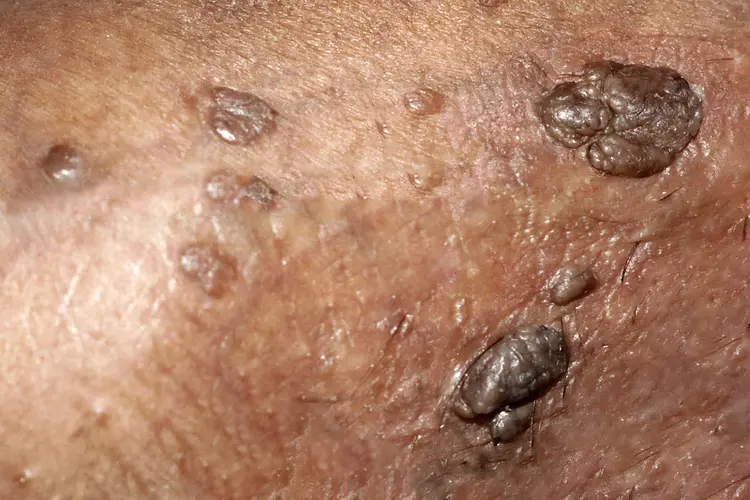
Some HPV infections cause small rough lumps (genital warts) that can appear on the vagina, penis or anus and rarely the throat. They may be painful, itchy or bleed or cause swollen glands.
HPV infection that does not go away on its own can cause changes to cervical cells, which lead to precancers that may become cervical cancer if left untreated. It usually takes 15-20 years for cervical cancer to develop after HPV infection.
The early changes in cervical cells and precancers mostly do not cause symptoms. Symptoms of cervical cancer may include bleeding between periods or after sexual intercourse or a foul-smelling vaginal discharge. These symptoms may be due to other diseases. People with these symptoms should speak to their healthcare provider.
Being vaccinated is the best way to prevent HPV infection, cervical cancer and other HPV-related cancers. Screening can detect cervical precancers that can be treated before they develop into cancer.
HPV vaccines should be given to all girls aged 9-14 years, before they become sexually active. The vaccine may be given as 1 or 2 doses. People with reduced immune systems should receive 2 or 3 doses.
Using condoms during sex is an important way to prevent HPV infection.
Voluntary male circumcision also reduces the risk of infection.
Being a non-smoker or stopping smoking reduces the chances of developing persistent HPV infection.

Testing cells from a woman's cervix for HPV is used to screen women for cervical cancer. Women should be screened every 5-10 years starting at age 30. Women living with HIV should be screened every 3 years starting at age 25.
After a positive HPV test (or other screening method), a healthcare provider can look for changes on the cervix or precancers that could develop into cervical cancer if left untreated. Treatment of precancers prevents cervical cancer.
Precancers rarely cause symptoms, which is why regular screening to check cervical health is important.
Learn more about vaccination of boys and older age groups: WHO position paper

There is currently no treatment for HPV infection itself. The immune system clears most HPV infections naturally.
Non-cancerous genital warts can be removed or treated by ablation (freezing or heating) or with surgery.
Precancerous lesions in the cervix, vagina, vulva, anus or penis can be removed or treated by ablation or surgery.
Treatments for cancers caused by HPV are more effective if diagnosed early. Treatment should begin quickly after diagnosis.
Management pathways for invasive cancer care are important tools to ensure that a patient is referred promptly and supported as they navigate the steps to diagnosis and treatment decisions.
As low- and middle-income countries scale-up cervical screening, more cases of invasive cervical cancer will be detected, especially in previously unscreened populations. Therefore, referral and treatment strategies need to be implemented and expanded alongside prevention services.