
Hypertension (high blood pressure) is when the pressure in your blood vessels is too high (140/90 mmHg or higher). It is common but can be serious if not treated.
Blood pressure is written as two numbers. The first (systolic) number represents the pressure in blood vessels when the heart contracts or beats. The second (diastolic) number represents the pressure in the vessels when the heart rests between beats.
Hypertension is diagnosed if, when it is measured on two different days, the systolic blood pressure readings on both days is ≥140 mmHg and/or the diastolic blood pressure readings on both days is ≥90 mmHg.
mmHg or higher indicates hypertension when measured on two different days
Very high blood pressure requiring immediate medical attention
Target goal for those with cardiovascular disease, diabetes, or kidney disease
Target goal for most people
Most people with hypertension don't feel any symptoms. Checking your blood pressure is the best way to know if you have high blood pressure.
Very high blood pressures can cause symptoms including:
If you are experiencing any of these symptoms with high blood pressure, seek care immediately.

Lifestyle changes can help lower high blood pressure and can help anyone with hypertension. Many who make these changes will still need to take medicine.

Excessive pressure can harden arteries, decreasing blood flow to the heart, causing chest pain (angina), heart attack, heart failure, and irregular heart beat.
Hypertension can burst or block arteries that supply blood and oxygen to the brain, causing a stroke.
Hypertension can cause kidney damage, leading to kidney failure.
High blood pressure can damage blood vessels in the eyes, leading to vision problems.
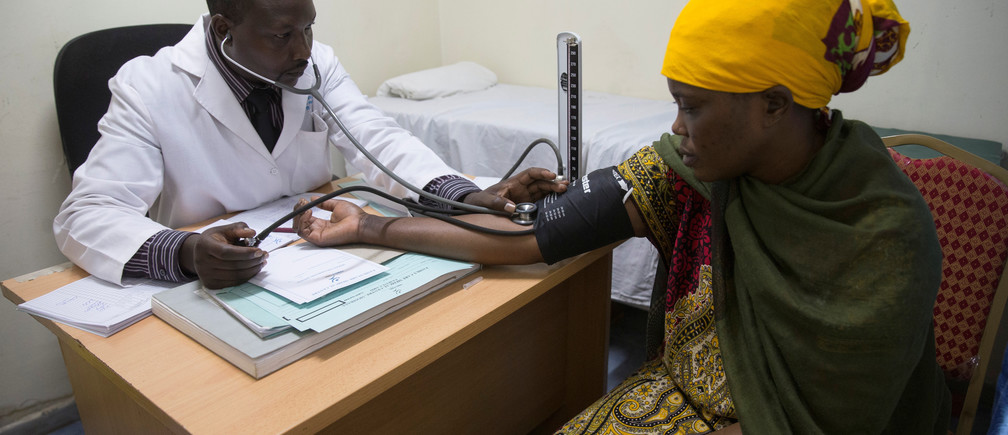
The only way to detect hypertension is to have a health professional measure blood pressure. Having blood pressure measured is quick and painless.
If you have high blood pressure, your doctor may recommend one or more medicines. Take medications exactly as prescribed.
For most people, the goal is less than 140/90. If you have cardiovascular disease, diabetes, or kidney disease, the goal is less than 130/80.
Keep appointments with your health care professional for regular monitoring and treatment adjustments.
Reducing hypertension prevents heart attack, stroke, kidney damage, and other health problems.