Zimbabwe has taken a decisive step forward in strengthening its national health system with the official commissioning of Nucleic Acid Testing (NAT) for blood screening at the National Bl
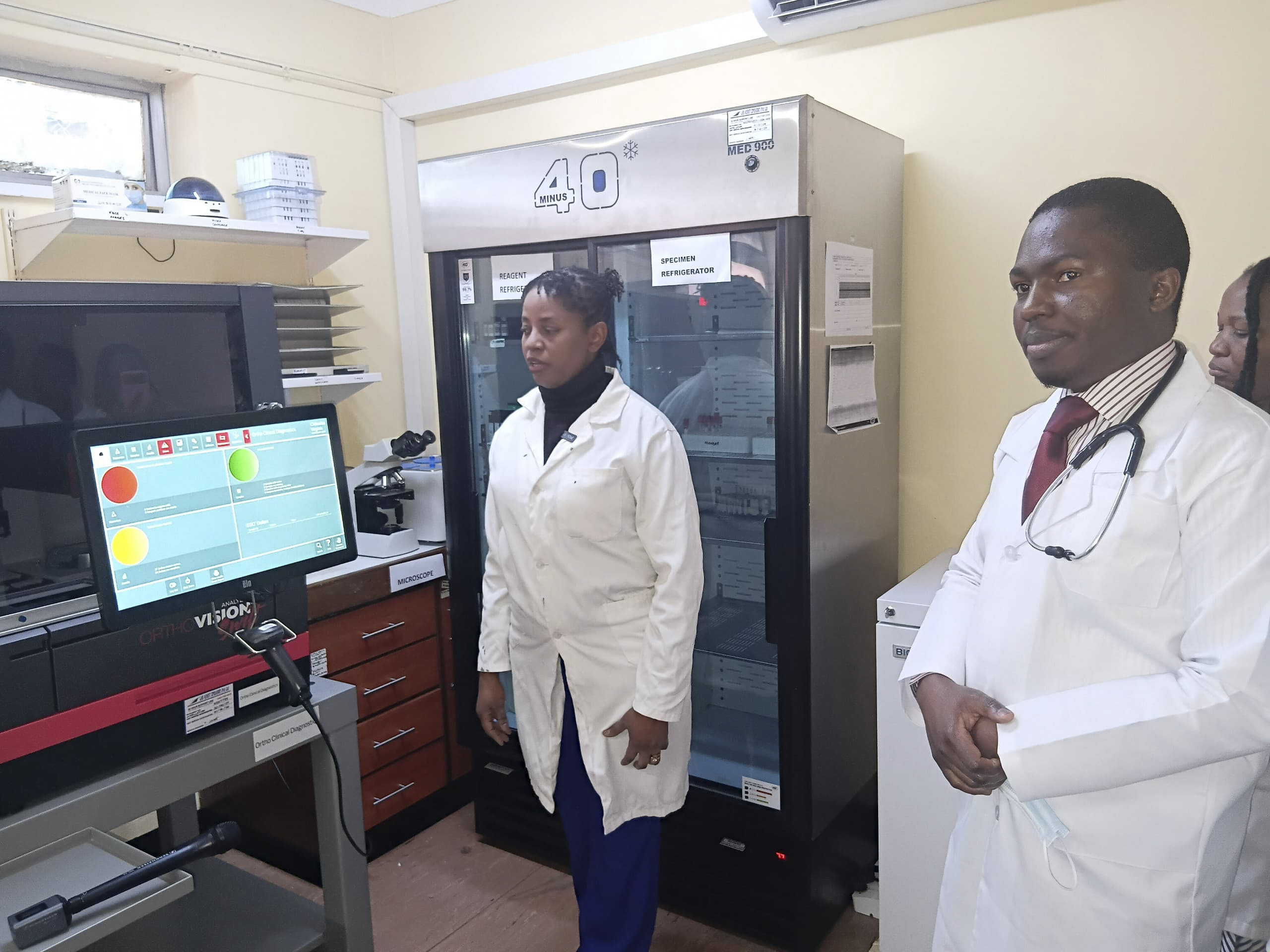
Zimbabwe has taken a decisive step forward in strengthening its national health system with the official commissioning of Nucleic Acid Testing (NAT) for blood screening at the National Blood Service Zimbabwe (NBSZ) headquarters in Harare.
The historic launch, held on Thursday, 19 February 2026, was officiated by the Minister of Health and Child Care, Douglas Mombeshora, marking what leaders described as a defining milestone in the country’s commitment to blood safety and HIV prevention.
In his welcome remarks, NBSZ Board Chair Passmore Nyakureba described the commissioning of NAT as “more than a technological advancement,” calling it a symbol of progress, resilience, and shared national determination.
“This event marks a defining moment for our organisation and for the nation,” he said. “NAT is a testament to our commitment to ensuring that every unit of blood donated in Zimbabwe is safe and trusted.”
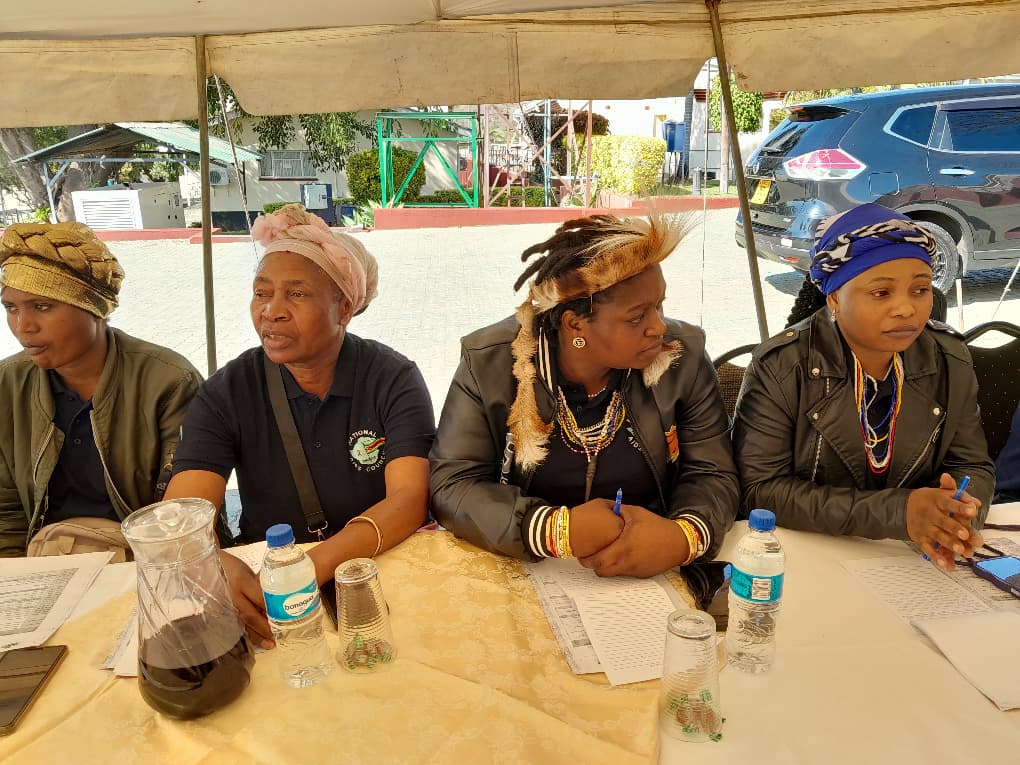
Advocate Nyakureba expressed gratitude to the Government for its visionary leadership, as well as to key partners including the National AIDS Council (NAC), the Postal and Telecommunications Regulatory Authority of Zimbabwe (POTRAZ), and technical partners Grifols, represented locally by Cluster Diagnostics.
He also paid tribute to Zimbabwe’s voluntary blood donors, describing them as “the life force” of the national blood service.
In his keynote address, Minister Mombeshora framed the launch as part of a broader national effort to harness innovation in healthcare. Earlier that same day, the Ministry had launched Lenacapavir for HIV prevention in Epworth—another significant milestone in Zimbabwe’s public health journey.
“Blood is a unique and irreplaceable medicine,” the Minister said. “It cannot be manufactured; it must be freely and voluntarily donated. Because of its immense value, it must be safeguarded through the highest standards of science, quality, and care.”
For decades, Zimbabwe has relied on serological screening to detect transfusion-transmissible infections such as HIV, Hepatitis B, and Hepatitis C. The Minister noted with pride that Zimbabwe was among the first nations globally to introduce routine HIV screening of donated blood as early as 1987.
However, scientific progress demands continual advancement.
Nucleic Acid Testing detects the genetic material of viruses, significantly shortening the “diagnostic window period” — the time between infection and detectability.
With NAT technology now operational:
Importantly, the Minister emphasised that NAT is not replacing existing systems but strengthening them. Zimbabwe is now implementing a layered safety approach that combines:
This integrated framework aligns Zimbabwe with international best practices in blood safety.
Safe blood underpins nearly every aspect of medical care, including:
In these critical areas, the Minister stressed, blood safety is non-negotiable.
“The introduction of Nucleic Acid Testing is a game-changer,” he declared. “It strengthens HIV prevention, reinforces public confidence, aligns Zimbabwe with global standards, and enhances national resilience in times of crisis.”
The successful rollout of NAT reflects strategic domestic investment and strong partnerships. The Minister acknowledged the support of the National AIDS Council, as well as POTRAZ, which marked the occasion with a donation of blood bags valued at US$15,000.
Technical expertise from Grifols, through Cluster Diagnostics, ensured the installation, validation, and training necessary to operationalise the advanced system.
The milestone also aligns with the Government’s Vision 2030 agenda under President Emmerson Mnangagwa, anchored in the principle that national development is driven by its own people.
Despite the advanced technology, leaders reminded the nation that machines alone cannot save lives.
“Even the most advanced technology cannot save lives without the generosity of blood donors,” Minister Mombeshora said, calling on citizens, institutions, and corporate entities to support voluntary blood donation.
“To our regular blood donors: you are the heartbeat of this service. You have saved countless lives, and with the introduction of NAT, your gift is now safer and more impactful than ever.”
With the official commissioning complete, Zimbabwe now joins the ranks of countries operating world-class blood screening systems.
The launch of Nucleic Acid Testing is a powerful affirmation of national resolve and a commitment to safeguarding patients, advancing HIV prevention, and building a resilient health system capable of meeting both present and future challenges.
Through collaboration, innovation, and compassion, Zimbabwe is strengthening public trust and securing a healthier future for generations to come.
ood Service Zimbabwe (NBSZ) headquarters in Harare.
The historic launch, held on Thursday, 19 February 2026, was officiated by the Minister of Health and Child Care, Douglas Mombeshora, marking what leaders described as a defining milestone in the country’s commitment to blood safety and HIV prevention.
In his welcome remarks, NBSZ Board Chair Passmore Nyakureba described the commissioning of NAT as “more than a technological advancement,” calling it a symbol of progress, resilience, and shared national determination.
“This event marks a defining moment for our organisation and for the nation,” he said. “NAT is a testament to our commitment to ensuring that every unit of blood donated in Zimbabwe is safe and trusted.”
Advocate Nyakureba expressed gratitude to the Government for its visionary leadership, as well as to key partners including the National AIDS Council (NAC), the Postal and Telecommunications Regulatory Authority of Zimbabwe (POTRAZ), and technical partners Grifols, represented locally by Cluster Diagnostics.
He also paid tribute to Zimbabwe’s voluntary blood donors, describing them as “the life force” of the national blood service.
In his keynote address, Minister Mombeshora framed the launch as part of a broader national effort to harness innovation in healthcare. Earlier that same day, the Ministry had launched Lenacapavir for HIV prevention in Epworth—another significant milestone in Zimbabwe’s public health journey.
“Blood is a unique and irreplaceable medicine,” the Minister said. “It cannot be manufactured; it must be freely and voluntarily donated. Because of its immense value, it must be safeguarded through the highest standards of science, quality, and care.”
For decades, Zimbabwe has relied on serological screening to detect transfusion-transmissible infections such as HIV, Hepatitis B, and Hepatitis C. The Minister noted with pride that Zimbabwe was among the first nations globally to introduce routine HIV screening of donated blood as early as 1987.
However, scientific progress demands continual advancement.
Nucleic Acid Testing detects the genetic material of viruses, significantly shortening the “diagnostic window period” — the time between infection and detectability.
With NAT technology now operational:
Importantly, the Minister emphasised that NAT is not replacing existing systems but strengthening them. Zimbabwe is now implementing a layered safety approach that combines:
This integrated framework aligns Zimbabwe with international best practices in blood safety.
Safe blood underpins nearly every aspect of medical care, including:
In these critical areas, the Minister stressed, blood safety is non-negotiable.
“The introduction of Nucleic Acid Testing is a game-changer,” he declared. “It strengthens HIV prevention, reinforces public confidence, aligns Zimbabwe with global standards, and enhances national resilience in times of crisis.”
The successful rollout of NAT reflects strategic domestic investment and strong partnerships. The Minister acknowledged the support of the National AIDS Council, as well as POTRAZ, which marked the occasion with a donation of blood bags valued at US$15,000.
Technical expertise from Grifols, through Cluster Diagnostics, ensured the installation, validation, and training necessary to operationalise the advanced system.
The milestone also aligns with the Government’s Vision 2030 agenda under President Emmerson Mnangagwa, anchored in the principle that national development is driven by its own people.
Despite the advanced technology, leaders reminded the nation that machines alone cannot save lives.
“Even the most advanced technology cannot save lives without the generosity of blood donors,” Minister Mombeshora said, calling on citizens, institutions, and corporate entities to support voluntary blood donation.
“To our regular blood donors: you are the heartbeat of this service. You have saved countless lives, and with the introduction of NAT, your gift is now safer and more impactful than ever.”
With the official commissioning complete, Zimbabwe now joins the ranks of countries operating world-class blood screening systems.
The launch of Nucleic Acid Testing is a powerful affirmation of national resolve and a commitment to safeguarding patients, advancing HIV prevention, and building a resilient health system capable of meeting both present and future challenges.
Through collaboration, innovation, and compassion, Zimbabwe is strengthening public trust and securing a healthier future for generations to come.