Herald Correspondent
The National AIDS Council (NAC) has taken its HIV, tuberculosis and Non-Communicable Diseases (NCDs) sensitisation drive to the Southern region as part of efforts to curb misinformation and strengthen community health responses.
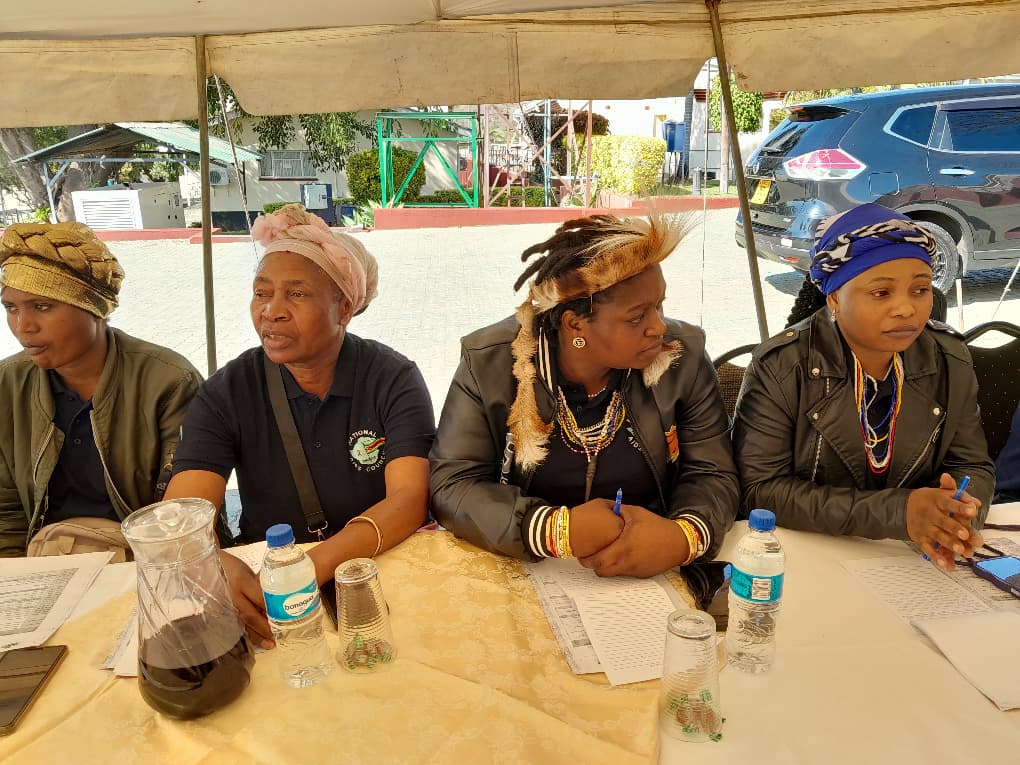
The 2026 NAC and Traditional Medical Practitioners Council of Zimbabwe (TMPC) National Sensitisation Workshop for Traditional Healers on HIV, AIDS and NCDs opened in Zvishavane yesterday and will run until Friday.
The meeting follows a similar workshop held in Macheke last month for traditional healers from the Northern region.
For purposes of the campaign, the country is divided into Northern and Southern regions, with each covering five provinces.
Participants for the Southern region workshop have travelled from as far as Hwange, Victoria Falls, Bulawayo and other parts of Matabeleland provinces.
Officially opening the workshop, NAC Board Member Dr Gilbert Chahwanda said the fight against HIV could not be won through biomedical interventions alone.
"The fight against HIV and AIDS cannot be won through biomedical interventions alone. It requires community participation, the integration of cultural knowledge, and the active involvement of traditional healers-trusted custodians of health and wellbeing across Zimbabwe," Dr Chahwanda said.
He said NAC's engagement with traditional practitioners aims to ensure "no one is left behind" in the national response.
Dr Chahwanda noted that the newly launched Zimbabwe National HIV and AIDS Strategic Plan (ZNASP) 2026-2030 sets a target to end AIDS as a public health threat by 2030 while addressing the rising burden of NCDs such as hypertension, diabetes and cancer, which often co-exist with HIV.
"The intersection of HIV and NCDs demands a holistic approach. It is no longer sufficient to treat HIV in isolation. We must integrate services, strengthen referral systems, and ensure communities receive comprehensive support," he said.
Key objectives of the meeting include sharing basic TB information, including signs and symptoms, addressing myths and misconceptions associated with TB, and discussing the role of both traditional and faith healers in TB control and prevention.
The workshop is also addressing drug and substance abuse and the commercialisation of traditional medicines to ensure ethical practice and patient safety.
Dr Chahwanda said traditional practitioners were often the first point of contact for communities and were uniquely placed to influence health-seeking behaviour, encourage HIV testing, support treatment adherence, and reduce stigma.
He added that while anecdotal evidence suggested some traditional medicines were efficacious, it was important to subject them to scientific enquiry to ensure safety and effectiveness.
"This workshop is more than a sensitisation exercise. It is a platform for dialogue, learning, and partnership... to equip traditional healers with updated knowledge on HIV prevention, testing, treatment adherence and NCD management," he said.
NAC Board Member Beatrice Dupwa said the programme seeks to integrate traditional health practitioners into mainstream health service delivery and expand their role in prevention.
"We are training traditional practitioners so that they can distribute HIV self-test kits in communities and link those at risk to health facilities for pre-exposure prophylaxis," Ms Dupwa said.
"Those who test positive will be referred immediately for treatment initiation and viral load monitoring, while clients who default on treatment will be traced and linked back to care with support from traditional healers," she added.
Ms Dupwa said practitioners would also provide counselling and sexual health support, and help address drug and substance abuse in communities.
"This programme is about integrating traditional health practitioners into the mainstream health system so that we work together," she said.
"Our goal by 2030 is zero new HIV infections, zero AIDS-related deaths, and zero stigma and discrimination. That starts with us in both the conventional and traditional sectors saying, let us work together."
TMPC Acting Registrar Givemore Kanda said the Southern region workshop drew participants mainly from Masvingo and Matabeleland provinces.
"The last time we held a similar event in the Northern region, though it was national, members who attended were mainly drawn from Mashonaland provinces, and we are in the Southern region; traditional healers and herbalists are coming mainly from Masvingo and Matabeleland provinces," Mr Kanda said.
The workshop is being attended by health sector representatives, civil society and partners in the national response.