
Tuberculosis (TB) is an infectious disease caused by bacteria that most often affects the lungs. It spreads through the air when people with TB cough, sneeze or spit.
Tuberculosis is preventable and curable. About a quarter of the global population is estimated to have been infected with TB bacteria. In general, people with TB infection don't feel sick and are not contagious.
About 5-10% of people infected with TB will eventually get symptoms and develop TB disease. Babies and children are at higher risk of developing the disease if they are infected.

Of the global population estimated to have been infected with TB bacteria
Of infected people will develop TB disease
People living with HIV are 12 times more likely to fall ill with TB
TB is the leading cause of death among people with HIV
In general, people with TB infection don't feel sick and are not contagious. Only a small proportion of people who get infected with TB will get TB disease and develop symptoms.
TB disease occurs when bacteria multiply in the body and affect different organs. TB symptoms may be mild for many months, so it is easy to spread TB to others without knowing it.
The symptoms people get depend on which part of the body is affected by TB. While TB usually affects the lungs, it can also involve the kidneys, brain, spine and skin.

Follow these steps to help prevent tuberculosis infection and spread:
If you have symptoms like prolonged cough, fever and unexplained weight loss, seek medical attention. Early treatment can help stop the spread of disease.
If you are at increased risk, such as having HIV or contact with people who have TB, get screened regularly.
If prescribed TB preventive treatment (TPT), complete the full course to prevent infection from becoming disease.
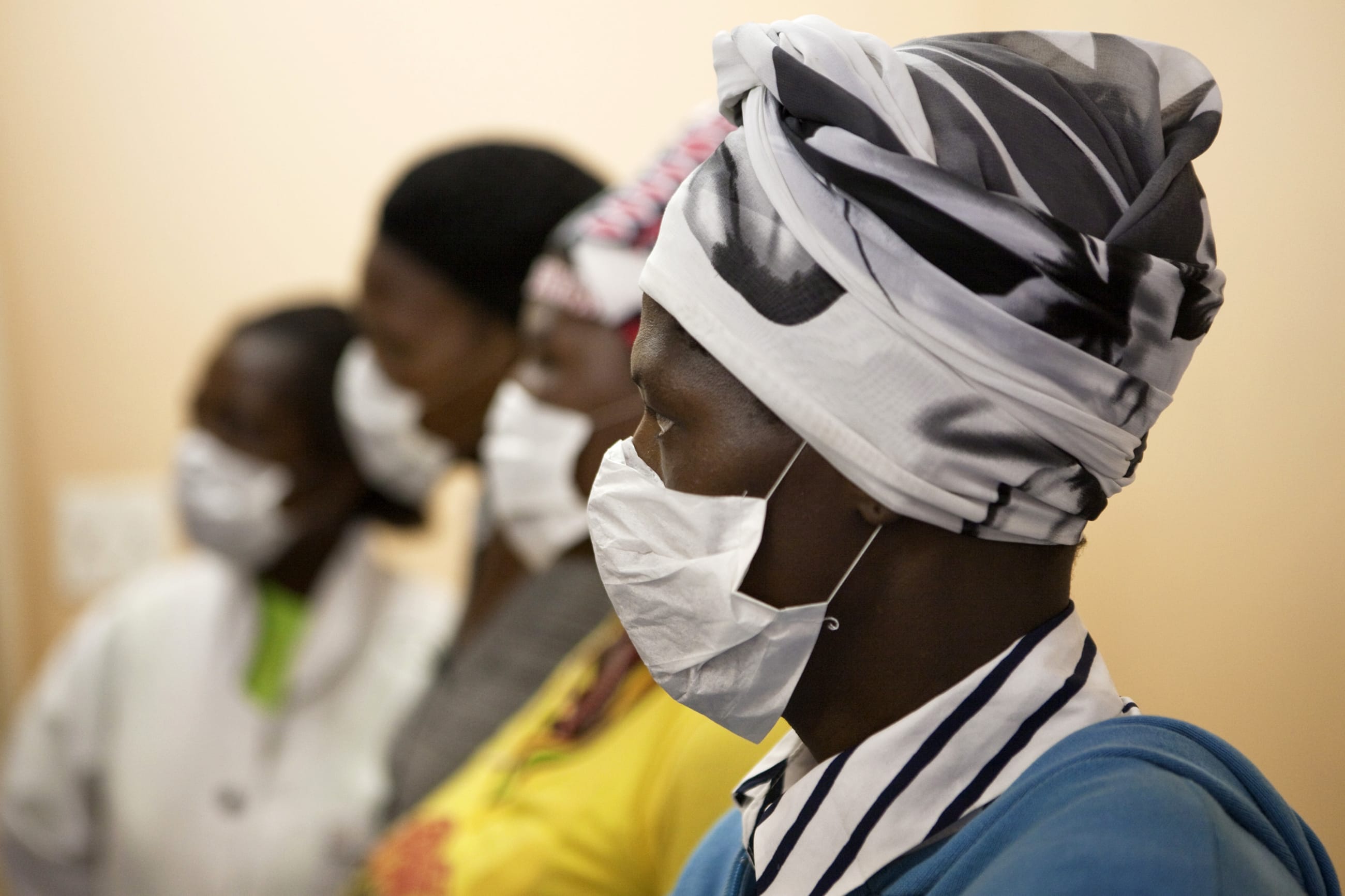
If you have TB, cover your mouth when coughing, wear a mask, and dispose of tissues properly.
In healthcare facilities, ensure well-ventilated spaces and use respirators to reduce infection.
The most common antibiotics used are rifampicin, isoniazid, pyrazinamide, and ethambutol. Medications need to be taken daily for 4-6 months.
To be effective, medications need to be taken daily for 4-6 months. Stopping early can cause drug resistance.
TB that doesn't respond to standard drugs is called drug-resistant TB and requires treatment with different medicines.
People with acute TB should focus on managing symptoms, eating a healthy diet, and drinking plenty of liquids.
Drug resistance emerges when TB medicines are used inappropriately, through incorrect prescription by health care providers, poor quality drugs, or patients stopping treatment prematurely.
MDR-TB is a form of TB caused by bacteria that do not respond to rifampicin and isoniazid, the two most effective first-line TB drugs. MDR-TB is treatable and curable by using other drugs, which tend to be more expensive and with more side effects.
In some cases, extensively drug-resistant TB or XDR-TB can develop, leaving patients with very limited treatment options.

People living with HIV are 12 times more likely to fall ill with TB disease than people without HIV. TB is the leading cause of death among people with HIV.
HIV and TB form a lethal combination, each accelerating the other's progress. Integrated screening and treatment services are essential for people living with HIV.