NAC-Funded equipment powers Zim's first bone marrow transplant
Staff Reporter
The wheelchair is in storage.
The visa applications, the fundraising pleas, the sleepless nights about foreign hospital bills are gone.
When 55-year-old Clifford Munemo walked out of Parirenyatwa Group of Hospitals this week, he was not just returning home to Marondera.
He was stepping into history as Zimbabwe's first patient to undergo a bone marrow transplant fully performed on Zimbabwean soil.
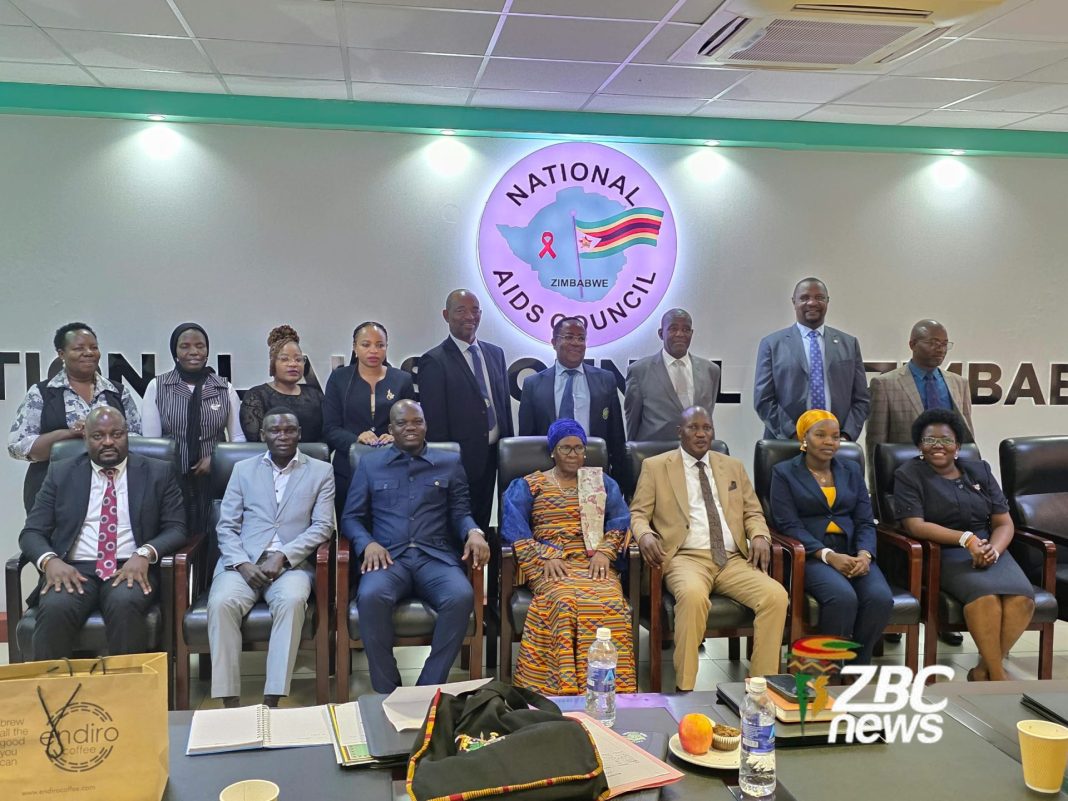
The breakthrough was made possible by the National AIDS Council, whose nearly US$2 million equipment donation gave local doctors the tools to bring specialist care home.
For Mr Munemo, it was a second chance at life without the crushing anxiety of booking international flights, arranging overseas accommodation, or navigating unfamiliar foreign hospitals.
For Zimbabwe's healthcare system, it marked the collapse of a decades-old barrier that kept high-end treatment out of reach for ordinary citizens.
Led by Consultant Haematologist Dr Moses Chatambudza, a team of local specialists performed the autologous stem cell transplant.
Until now, such a procedure meant raising between US$23 000 and US$40 000 for care in India, or up to US$70 000 in South Africa.
Faced with those quotes, Mr Munemo tried to launch a GoFundMe campaign to raise the more than US$25 000 needed for treatment abroad.
Like many public appeals, it stalled far short of its goal, leaving his family in agonising limbo.
That despair has now turned to relief.
Mr Munemo's ordeal began in October 2024.
While driving from Marondera to Harare, severe back pain forced him to pull into West End Hospital.
"I immediately became paralysed. I could no longer walk and was put in a wheelchair," he recalled.
Specialists diagnosed multiple myeloma, a cancer of the plasma cells in the bone marrow.
Referred to Dr Chatambudza at Parirenyatwa, he responded well to initial therapy and was walking again by early 2025.
But in June 2026, routine tests showed the cancer had returned aggressively.
A stem cell transplant was his only definitive option.
He was admitted on August 5.
Doctors harvested his stem cells, administered high-dose Melphalan chemotherapy to erase the diseased marrow, and re-infused his stored cells.
After 10 days of strict protective isolation, blood tests confirmed successful engraftment.
The transplanted cells had taken root and were producing healthy blood.
"I am feeling positive that I am now okay," an emotional Mr Munemo said at discharge. "I don't know how to thank Dr Chatambudza and his team because even money is not enough."
The gap in cost is enormous.
Beyond avoiding airfares and foreign logistics, the local procedure was covered almost entirely by PSMAS.
"It was nowhere near US$23 000, neither US$40 000. It was way cheaper," he said.
The breakthrough was anchored by infrastructure provided by the National AIDS Council.
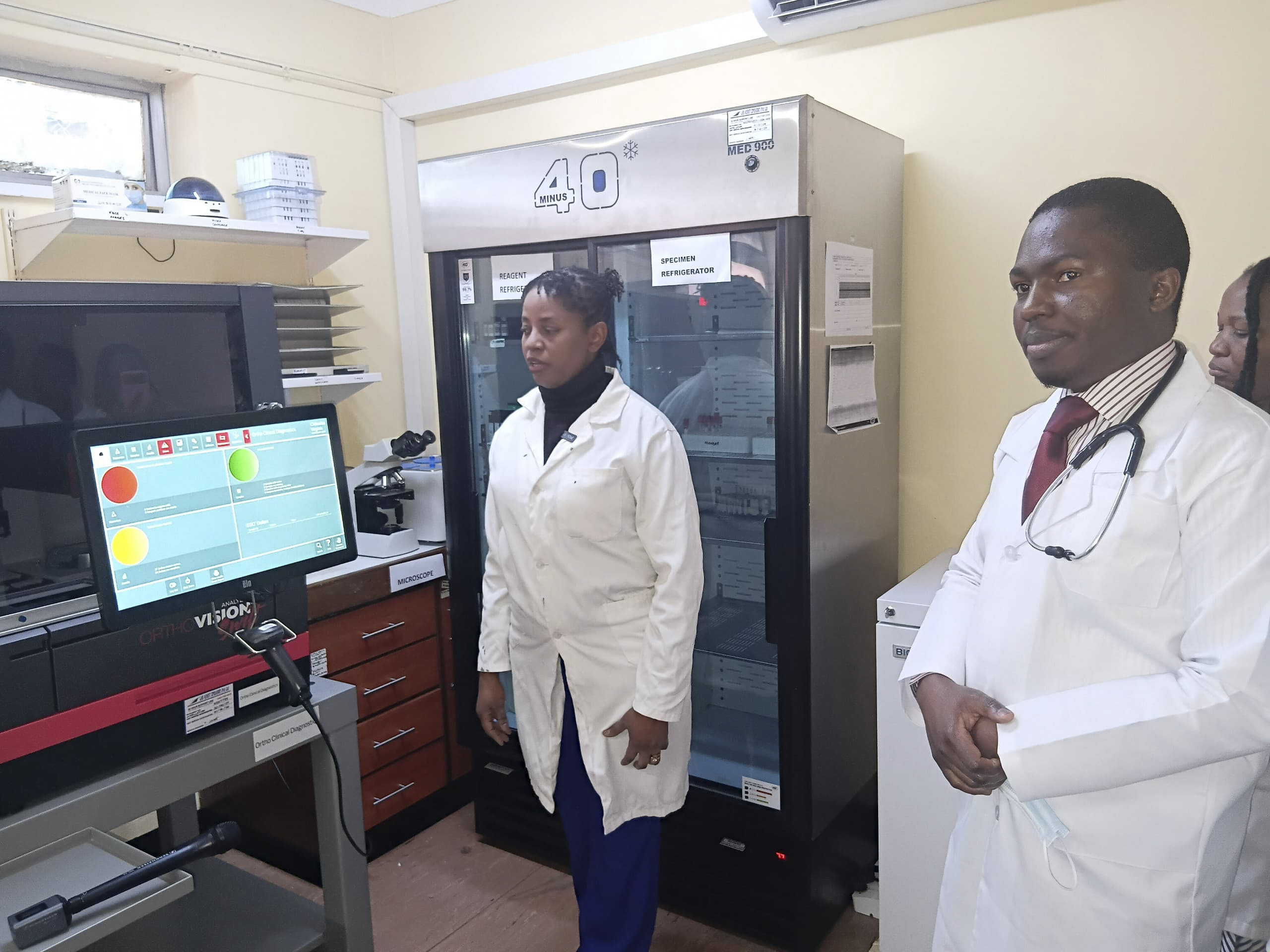
Last year, NAC handed over nearly US$2 million in advanced machinery to the Ministry of Health and Child Care to equip Parirenyatwa's blood services and renal units.
The donation included the Spectra Optia Apheresis System for harvesting stem cells directly from peripheral blood, alongside Cobas e402 and ORTHO VISION analyzers.
"The biggest challenge we faced was the funding component. But NAC came in and essentially changed the whole thing," Dr Chatambudza said. "Sending patients abroad was unsustainable for families and the national economy."
NAC CEO Dr Benard Madzima said funding the unit aligns with the council's mandate to integrate HIV care with non-communicable diseases and oncology.
"This has led to the development of the first-ever bone marrow transplant, which specialists at Parirenyatwa have been able to provide," Dr Madzima said.
NAC is now expanding similar equipment support to Mpilo Central Hospital and United Bulawayo Hospitals to ensure equity of access nationwide.
With core diagnostic tools in place, Parirenyatwa plans to conservatively perform about 30 transplants over the next 12 months.
Once a CD34 enumerator flow cytometer is fully integrated, the target scales to over 100 annual procedures by 2030.
The specialised unit will treat haematological cancers including leukaemias, lymphomas and multiple myeloma, alongside benign disorders like aplastic anaemia and inherited bone marrow failure syndromes.
As the country's largest referral hospital, it will serve patients from all 10 provinces.