Uganda MPs study Zimbabwe's HIV financing model
September 16, 2026
Story by Abigirl Tembo, Health Editor
UGANDAN parliamentarians are studying Zimbabwe's HIV and AIDS financing and coordination model, with particular interest in the AIDS Levy and the role of the National AIDS Council (NAC) in sustaining the national response.
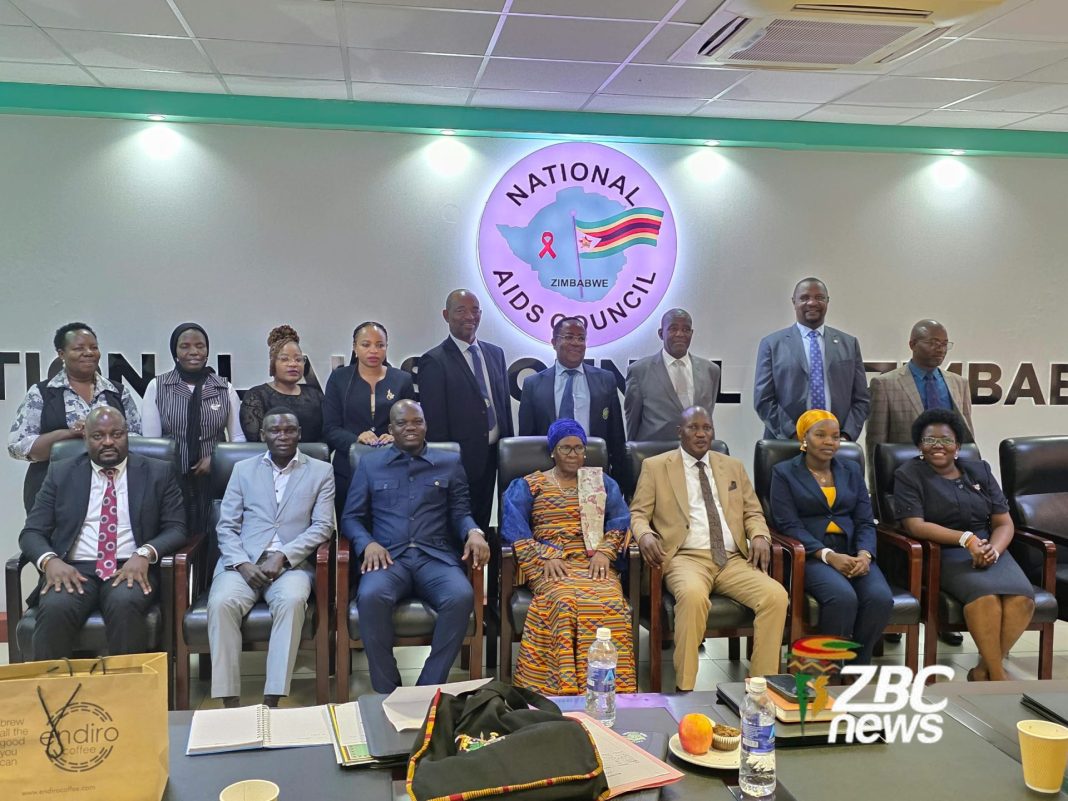
The visiting delegation met officials at the NAC headquarters in Harare as part of an exchange aimed at sharing lessons on domestic resource mobilisation, parliamentary oversight and efforts to end AIDS as a public health threat.
Chairperson of the Ugandan Parliamentary Committee on HIV, Honourable Kisa Stephen, said Zimbabwe's domestic financing model was among the key lessons the delegation hoped to take home as Uganda grapples with funding gaps.
"One of the very serious lessons we are taking from Zimbabwe is domestic resource mobilisation for the national HIV response. We have noted that Zimbabwe is ahead of us in this area, and we are taking this model very seriously because Uganda has funding gaps in its national HIV response," he said.
Hon Kisa said Uganda would engage its Government on strengthening domestic financing as the country works towards ending AIDS as a public health threat by 2030.
Chairperson of Zimbabwe's Parliamentary Thematic Committee on HIV and AIDS, Mrs Angeline Tongogara, said interest from Uganda and other African countries highlighted the significance of Zimbabwe's AIDS Levy.
"What we have done as a country is establish the AIDS Levy, which has attracted interest from parliaments from different countries across Africa. They are coming to find out how we established it and how we are implementing it," she said.
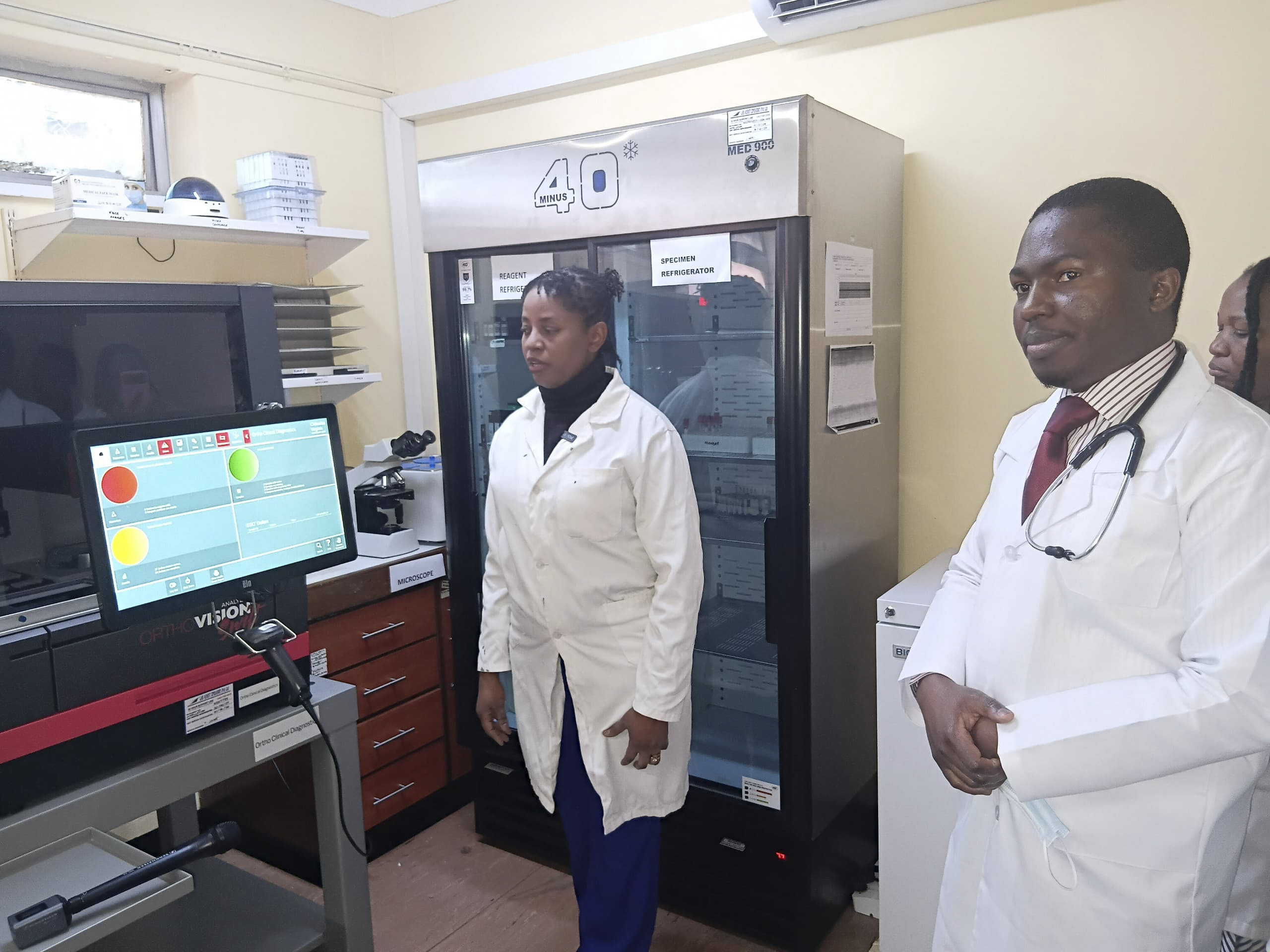
Chief Director of Public Health in the Ministry of Health and Child Care, Dr Celestino Dhege, said Zimbabwe's HIV gains had been supported by sustained investment, stronger coordination and the involvement of multiple stakeholders.
"Domestic resource mobilisation, particularly the AIDS Levy, has helped us procure ARVs and support community prevention interventions. The implementation of the HIV and AIDS response in a multi-sectoral manner has also been critical," he said.
Dr Dhege said Zimbabwe had surpassed the 95-95-95 HIV treatment targets through the combined efforts of Government, communities, people living with HIV, traditional and church leaders and other stakeholders.
The visit provides a platform for the two countries to exchange approaches to sustainable HIV financing, parliamentary oversight and the expansion of prevention programmes.
The engagement is also expected to strengthen cooperation between Zimbabwe and Uganda as both countries work towards ending AIDS as a public health threat.